
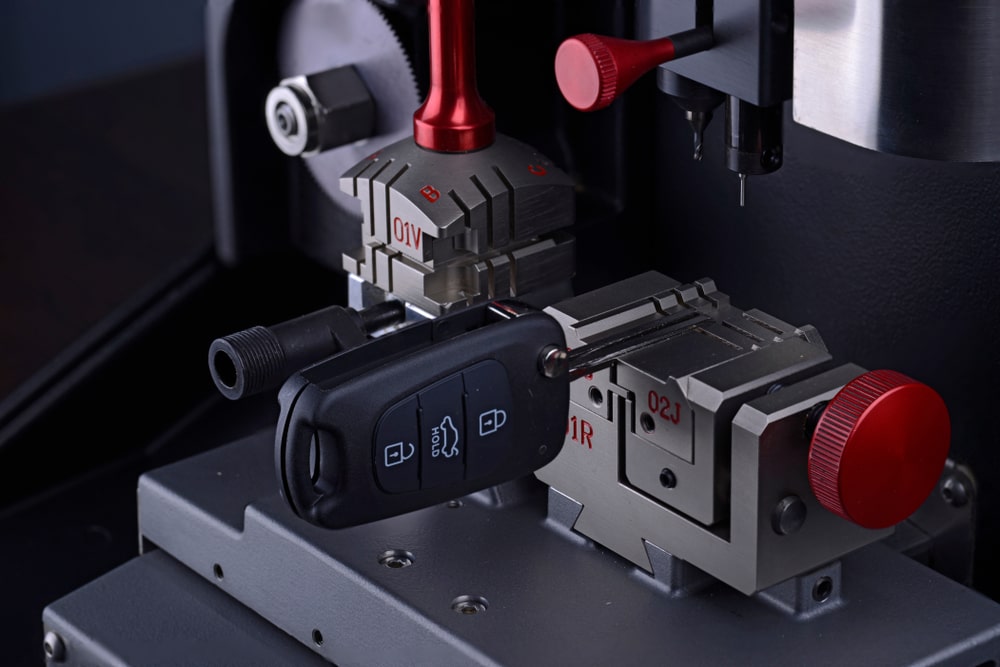
When selling your vehicle, you should generally hand over every working key, spare key and remote that belongs to the car. This includes standard keys, smart keys, keyless-entry fobs and any separate security remotes. Providing everything you have gives the buyer complete access to the vehicle and helps avoid confusion after the sale.
Understanding what to provide when selling a car keys and remotes are involved can also prevent lost-key problems for the new owner. Before handing the vehicle over, gather your keys, check which ones still work and be upfront about anything that is missing or damaged.
If you are unsure whether an old key or remote still belongs to the vehicle, a professional automotive locksmith such as 1 Key Locksmiths can check compatible keys and remotes.
What Keys Should You Give the Buyer?
Start by collecting every physical key you received with the vehicle or had made while you owned it. Most vehicles have at least one main key, while many were originally supplied with two.
Depending on the vehicle, your handover may include:
- Main ignition or smart key
- Spare vehicle key
- Keyless-entry remote
- Proximity or push-button start fob
- Emergency key blade hidden inside a smart key
- Separate alarm or immobiliser remote
- Keys for aftermarket accessories fitted to the vehicle
If you have a key that no longer works properly, give it to the buyer but explain its condition. A damaged remote may still contain a usable emergency blade or provide useful information when programming a replacement.
You can also review available automotive locksmith services if you want a faulty or missing key checked before selling your car.
Selling a Car Keys and Remotes: Should You Include the Spare?
Yes. If you have the spare key, it should normally go with the vehicle.
A spare can save the buyer from being locked out and means they already have a backup if their main key becomes lost or damaged. Modern vehicle keys can contain transponder chips, remote locking electronics or proximity technology, so a spare may be more useful than it first appears.
Before the sale, test the spare key. Check that it can unlock the vehicle and, where applicable, start the engine.
For remote keys, test the lock, unlock and boot-release buttons as well. A flat remote battery is often easy to address, but a remote that has lost programming may require further diagnosis.
What About Smart Keys and Push-Button Start Cars?
Vehicles with push-button ignition normally use a proximity smart key rather than a traditional metal ignition key. If your car came with two smart keys and you still have both, provide both to the buyer.
Smart keys commonly include an emergency mechanical blade. This can unlock the driver’s door if the remote battery goes flat, so keep the blade with its original smart key.
Do not assume an old smart key is useless simply because you have not used it recently. Test it before the vehicle changes hands.
Premium European Vehicle Keys
European vehicles often use vehicle-specific key systems that combine remote locking, transponder security and electronic immobiliser functions.
For example, owners selling a Volkswagen should gather every programmed key before the handover. If one is damaged or missing, specialised Volkswagen key services may help determine the available replacement options.
The same principle applies to BMW key and remote services, particularly for vehicles using comfort access or push-button starting.
Audi owners may also have proximity keys, remote fobs or emergency blades. Checking available Audi locksmith services before a sale can help if one of the original keys has been lost.
For Mercedes-Benz vehicles, electronic keys can vary considerably between models and production years. Professional Mercedes locksmith services can help identify key-related options where necessary.
Should You Replace a Missing Spare Before Selling?
You do not always need to replace a missing spare before selling your vehicle. The main thing is to tell the buyer exactly how many working keys are included.
If you advertise the vehicle as having two keys, make sure both are available and working when the buyer collects the car.
Replacing a missing spare before the sale can still make the handover easier. It gives the next owner a backup immediately rather than leaving them to arrange another key after purchasing the vehicle.
If you choose not to replace it, tell the buyer before the transaction is completed rather than waiting until collection.
What Should You Do With Lost Keys?
If a vehicle key has previously been lost, tell the buyer.
This is particularly relevant with modern transponder and smart-key vehicles. Depending on the vehicle’s system, an automotive locksmith may be able to remove or disable an old key from the vehicle’s authorised key memory.
That can prevent the lost electronic key from starting the vehicle if it is later found. The exact process varies between manufacturers and models.
If the missing key included a mechanical blade, additional security considerations may apply because removing electronic authorisation does not physically change the vehicle’s door lock.
Don’t Forget Aftermarket Remotes
Some vehicles have extra security or accessory remotes that are separate from the manufacturer’s original key.
These might control:
- Aftermarket alarms
- Immobilisers
- Central locking systems
- Electric gates supplied with the vehicle or property arrangements
- Canopy or toolbox locks
- Towbar or accessory locking devices
Only hand over items that belong with the vehicle. Remove your house keys, workplace keys, garage remotes and other personal items from the keyring before giving it to the buyer.
Check Every Key Before the Handover
A quick key check can prevent awkward problems on collection day.
Before the buyer arrives:
- Test every key against the vehicle.
- Check remote lock and unlock functions.
- Test the boot-release button where fitted.
- Confirm each authorised key can start the vehicle.
- Check emergency key blades.
- Remove unrelated personal keys from the keyring.
- Tell the buyer about damaged or missing keys.
Doing this before selling a car keys and remotes are exchanged means both parties know exactly what is included.
Should You Hand Over Key Codes or Security Information?
Some vehicles may have key-code cards, PIN information, owner’s manuals or documentation relating to the vehicle’s security system. If the information came with the vehicle and is specifically associated with it, keep it with the vehicle’s records where appropriate.
Do not hand over personal passwords, account credentials or unrelated security information.
For connected vehicles, you should also remove your personal profile and unlink manufacturer apps or connected services according to the vehicle manufacturer’s instructions before transferring ownership.
Keep the Handover Clear
Write down how many keys and remotes you are supplying as part of the vehicle sale. This can be as simple as noting that the vehicle is supplied with one main key and one spare remote.
Clear records reduce the chance of disagreement later about whether another key was supposed to be included.
If one key is faulty, note that as well. Being specific is better than describing the car as having “two keys” when only one works correctly.
When to Call a Professional
Consider contacting an automotive locksmith if a spare is missing, a remote no longer works, a smart key is damaged or you are unsure whether an old key remains programmed to the vehicle.
1 Key Locksmiths can inspect automotive key and remote issues and advise you about suitable options for your particular make and model. This can be useful before selling a car keys and remotes to the new owner, especially when you want to provide a clear set of working keys.
You can contact 1 Key Locksmiths if you need help checking, replacing or programming a vehicle key before completing the sale.
Conclusion
When selling your car, gather every working vehicle key, smart key, spare and relevant remote you have. Test them before the handover and tell the buyer clearly if anything is missing, damaged or no longer working.
For selling a car keys and remotes, transparency makes the process much simpler. If you discover a missing or faulty key before the sale, 1 Key Locksmiths can help you assess the available replacement or programming options before the new owner collects the vehicle.
FAQs
Do I have to give the buyer both car keys?
If you have both keys, you should provide both with the vehicle. If only one remains, tell the buyer before completing the sale so they know exactly what they will receive.
Can I sell my car if I’ve lost the spare key?
Yes. A missing spare does not normally prevent you from selling the vehicle. Tell the buyer that only one working key is available and consider arranging a replacement before the handover if needed.
Should a lost car key be deleted from the vehicle?
For some modern vehicles, a lost electronic key can be removed from the vehicle’s authorised key memory. Whether this is possible and how it is done depends on the make, model and security system.
Should I give the buyer a damaged remote?
Yes, if the remote belongs to the vehicle. Tell the buyer that it is damaged or not working. The key may still contain a usable blade, transponder or other components that can help with replacement.
